Using wastewater to unlock public health insights
Widespread national wastewater surveillance started in 2020, as part of the pandemic response for COVID-19, making sewer systems a valuable source for public health data. Wastewater surveillance can detect outbreaks before symptoms begin, track trends in infections, and locate hotspots of infection. Every day as more data are collected, researchers advance and expand current techniques and develop new tools to utilize wastewater data.
CIDMATH’s Wastewater Epidemiology team uses wastewater data to advance the science of modeling and forecasting for public health preparedness and response. The team is led by Dr. Katia Koelle and builds upon Dr. Marlene Wolfe’s leadership as a Program Director of WastewaterSCAN, a national wastewater monitoring system that informs public health responses, along with Dr. Yuke Wang’s work on spatial mapping of sewer networks and Dr. Anne Piantadosi’s expertise in sample sequencing.
Projects
Shedding Hub
Led by Dr. Yuke Wang (), the Shedding Hub is an open science initiative dedicated to centralizing biomarker shedding data and models into one easy, publicly accessible resource. Hosted on GitHub, the Shedding Hub extracts, compiles, standardizes, and validates biomarker shedding data from published literature.
To keep pace with the exponential growth of biomedical research, we are deploying an AI-powered multi-agent system that automates literature discovery and data extraction. Currently available datasets span 12 biomarkers including SARS-CoV-2, norovirus, rotavirus, and 12 specimen types, including stool, naso- and oropharyngeal swabs, and saliva.
All data and code created by the Shedding Hub team are open access for anyone to use for their own research projects.
Learn More: https://shedding-hub.github.io/
Access Data: https://github.com/shedding-hub
Wastewater Sample Sequencing
The research groups of Dr. Anne Piantadosi and Dr. Marlene Wolfe are analyzing banked samples from WastewaterSCAN and the Georgia Department of Public Health. Pathogens of interest include SARS-CoV-2 (COVID-19), Influenza A, Influenza B, and respiratory syncytial virus (RSV). Sequencing provides higher resolution understanding of circulating viruses, including which strains are increasing in frequency. Sequencing can also provide insight into the spatial spread of viral pathogens over time and inform disease modeling and prediction efforts.
Machine Learning for Forecasting
Researchers are leveraging machine learning techniques and combining wastewater data with other surveillance data streams to improve the ability to generate real-time estimates of disease spread and enhance forecasting methods. More info on our Machine Learning page.
Recent WORK
Protocol: RSV-A and RSV-B Amplicon Sequencing from Solid-Phase Wastewater Using the NEBNext® RSV Primer Module
Rachida et al. protocols.io 2026
Publication: Common misspecification of the generation interval leads to reproduction number underestimation in phylodynamic inference
Code: Generation of mock sequence data
Tool: Shedding Hub
Pre-print: A bootstrap particle filter for viral Rt inference and forecasting using wastewater data
Code: Rt wastewater inference particle filter
Pre-Print: Where do We Poop? City-Wide Simulation of Defecation Behavior for Wastewater-Based Epidemiology
TEAM

Anne Piantadosi, MD/PhD
Assistant Professor, Department of Pathology and Laboratory Medicine, Emory University School of Medicine, Co-Investigator, CIDMATH
 Contact
 Publication Link
 Emory Profile

Marlene Wolfe, PhD
Assistant Professor, Gangarosa Department of Environmental Health, Emory University Rollins School of Public Health, Co-Investigator, CIDMATH

Katia Koelle, PhD
Director of Scientific Initiatives and Co-Principal Investigator
Professor, Department of Biology, Emory University College of Arts and Sciences

Max Lau, PhD
Assistant Professor, Department of Biostatistics and Bioinformatics, Emory University Rollins School of Public Health, Co-Investigator, CIDMATH

Yuke “Andrew” Wang, PhD
Research Assistant Professor, Hubert Department of Global Health, Emory University Rollins School of Public Health, Co-Investigator, CIDMATH
 Personal Website

Yeongseon Park, MS
PhD student, Program in Population Biology, Ecology, and Evolution, Emory College of Arts and Sciences, CIDMATH
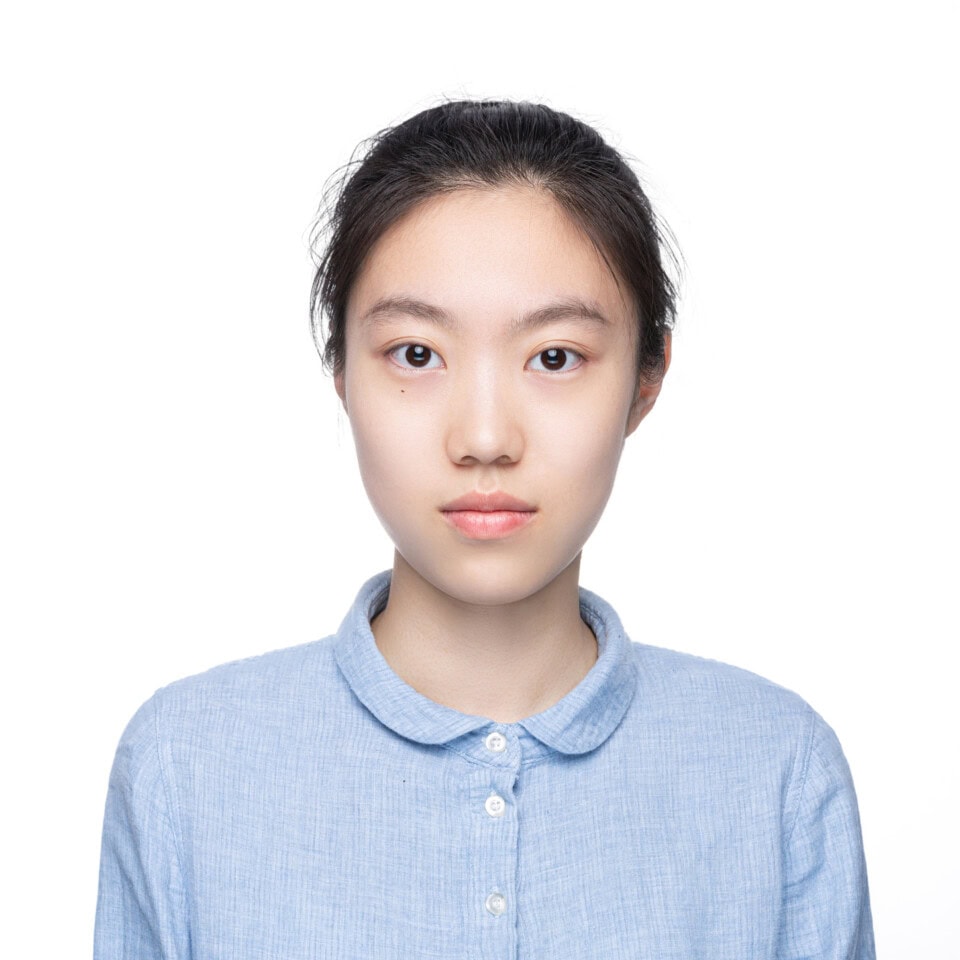
Fiona Xiao, BS
PhD Student, Graduate Division of Biological and Biomedical Sciences, Emory Laney Graduate School, CIDMATH

Nikunj Goel, PhD
Postdoctoral Researcher, Department of Biology, Emory University College of Arts and Sciences
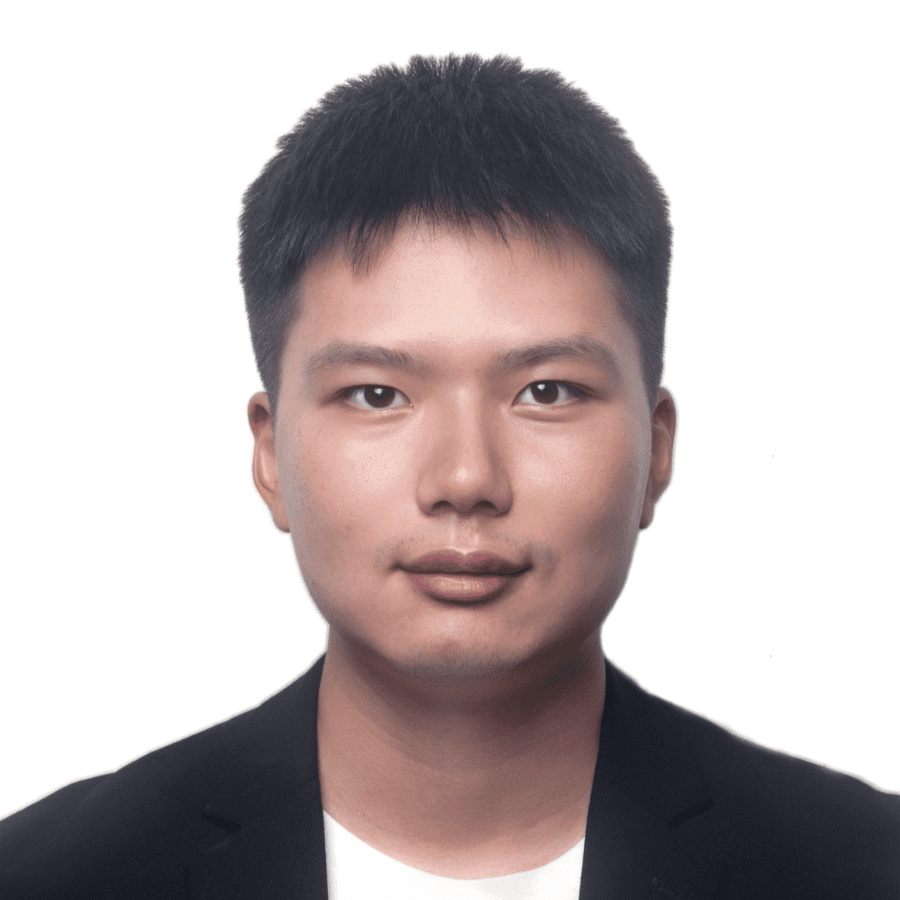
Haisu Zhang, MSPH
PhD Student, Gangarosa Department of Environmental Health, Emory University Rollins School of Public Health
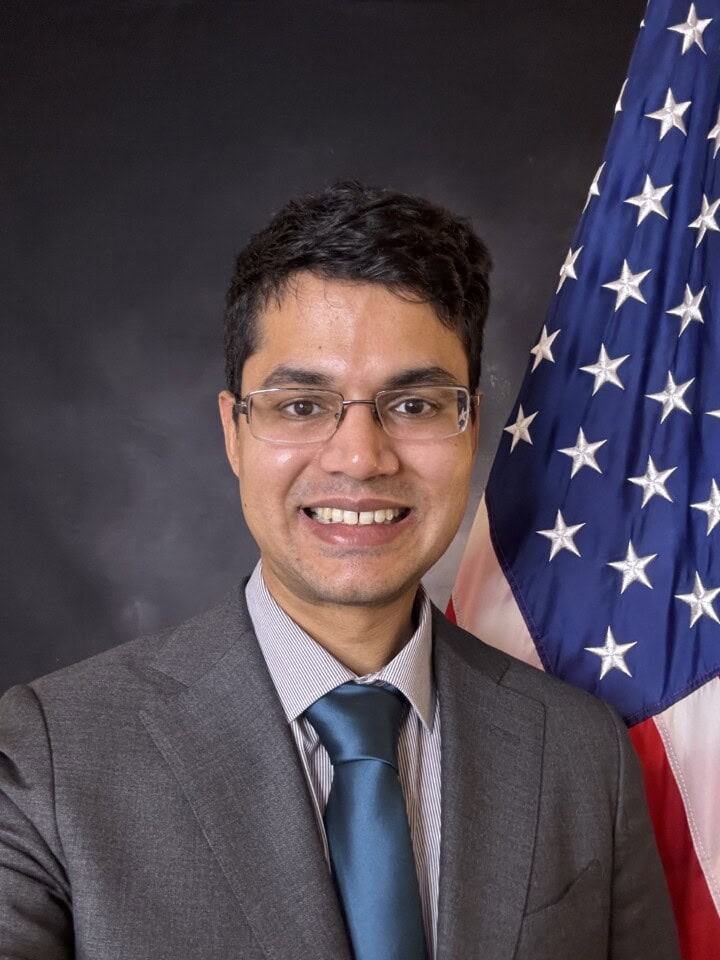
Akshay Deverakonda, MSPH
PhD student, Department of Epidemiology, Emory University Rollins School of Public Health, CIDMATH